
Key Takeaways
-
Food bars are transforming traditional retail spaces into dynamic culinary destinations.
-
They cater to consumer demands for convenience, variety, and experiential shopping.
-
Integration of food bars can boost foot traffic and enhance customer engagement.
Table of Contents
-
Introduction
-
The Rise of Food Bars in Retail
-
Consumer Demand for Convenience and Experience
-
Benefits for Retailers
-
Successful Implementations
-
Challenges and Considerations
-
Future Trends
-
Conclusion
Introduction
The modern food retail landscape is moving in a new direction, defined by versatility, customer engagement, and enhanced in-store experiences. Retailers are innovating to meet the desires of today’s shoppers, who expect more than just the basics from their grocery store visits. By fostering environments that blend shopping and dining, retailers are setting a new standard for how food is experienced on the sales floor. Central to this transformation is the introduction of food bars that feature prepared meals, snacks, and interactive culinary spaces. Essential tools, such as hot food display equipment, are pivotal in maintaining both the presentation and safety of these ready-to-eat offerings.
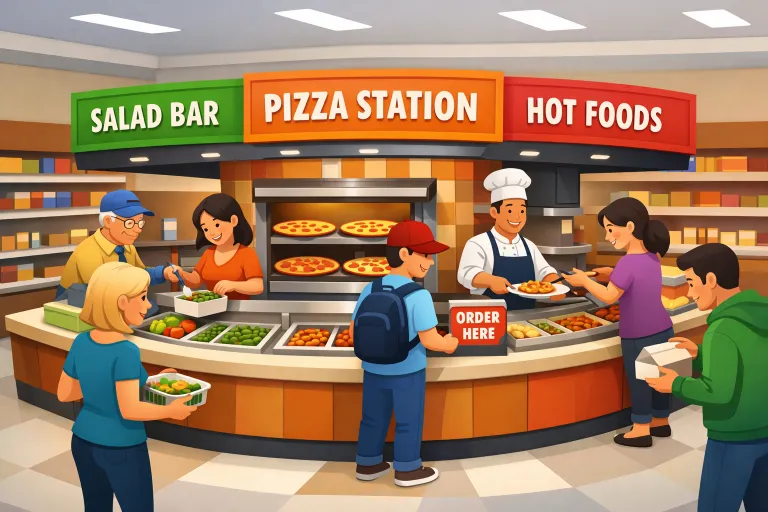
Customers entering supermarkets or retail stores are now greeted by vibrant, diverse food bars that invite them to savor fresh meals on-site or take them to go. The convenience and allure of browsing artisanal pizzas, international cuisines, and wholesome salads all in one place have made food bars a staple in forward-thinking supermarkets. In doing so, retailers not only elevate their brand but also help transform routine shopping trips into exciting mini-excursions.
As the boundaries between grocery shopping and dining continue to blur, the in-store food bar represents a key growth opportunity. Its rise is as much about answering consumer demands as it is about business strategy. The flexibility to adjust menus, feature seasonal items, and respond quickly to changing tastes makes this format a potent tool for driving sales and cementing customer loyalty.
The evolution of the shopping experience is now closely linked to the ability to deliver convenience and delight through food bar innovations. For many shoppers, having a fresh, hot meal ready while shopping helps simplify schedules and adds a layer of enjoyment to their daily errands.
The Rise of Food Bars in Retail
Food bars are becoming an integral part of the modern food retail experience. Their popularity is rooted in shoppers’ growing preference for flexibility and high-quality food choices. Retailers from large chains to local markets are incorporating these offerings to boost dwell time and differentiate themselves from competitors. According to Eater, food bars not only enhance the retail environment but also set the stage for experiential shopping, which drives engagement and boosts loyalty.
This retail innovation delivers tangible business results. Stores with successful food bar concepts routinely see an uptick in traffic and repeat visits, as customers associate the overall experience with fun and value. The food bar phenomenon is not a fleeting trend but a seismic shift in retail, offering ongoing opportunities for those willing to invest in culinary creativity and operational excellence.
Consumer Demand for Convenience and Experience
Today’s consumers expect more from their shopping trips than simply picking items off the shelf. With increasingly busy schedules and growing appetites for unique, on-the-go foods, supermarkets with robust food bar programs are well-positioned to meet these needs. Food bars provide immediate meal solutions that save time while letting customers sample fresh culinary creations in-store.
But convenience is only part of the equation. Shoppers also crave experiences that feel personal and memorable. Watching chefs assemble custom noodle bowls or slice artisan bread creates authentic interactions with food and staff, building relationships and excitement. These sensory advantages distinguish in-store food bars from prepackaged alternatives and foster stronger connections between customers and retailers.
Benefits for Retailers
Adding food bars yields multifaceted benefits for retailers. Beyond driving more frequent visits and encouraging customers to linger longer, food bars can boost overall store sales. Shoppers who pause for a meal are more likely to make impulse purchases or buy companion items, increasing basket sizes and overall spending. Food bars can also showcase local ingredients and seasonal offerings, reinforcing a retailer’s brand as both community-focused and trend-aware.
Another distinct advantage is the opportunity for retailers to gather real-time feedback on menu items and food preferences, enabling rapid adaptation to market changes. This agility can set stores apart in a crowded landscape, ensuring they stay relevant to evolving consumer tastes and habits. The combination of culinary variety and convenience strengthens customer retention and enhances the value proposition of traditional retail environments.
Successful Implementations
Across the country, retailers have demonstrated the power of food bars to reimagine the supermarket visit. Chains like Hy-Vee have developed food hall concepts that merge diverse eating experiences with grocery shopping under one roof, drawing praise for innovative layouts and flexible dining zones. These models encourage customers to socialize, explore new flavors, and bring family members, all factors that keep people returning again and again.
Regional markets have also excelled with specialty food bar programs, tailoring offerings to community preferences such as vegan salads, sushi stations, or barbecue counters. These fine-tuned executions show how food bars can be scaled and customized for local relevance, making them a viable strategy for both large and small retailers.
Challenges and Considerations
Implementing a successful food bar comes with real-world challenges. Retailers must constantly monitor food safety and health regulations, as the stakes are high for both quality and compliance. Staff training in safe food handling, time-temperature controls, and proper customer interaction is essential to avoid risks and maintain high standards.
Operational complexities, such as syncing meal prep with peak hours and managing inventory for perishable items, can require significant investment and expertise. Profitability remains a consideration, as food bar operations are labor- and resource-intensive. Choosing the right mix of menu items, competitive pricing, and quality presentation ensures financial sustainability and long-term success.
Future Trends
The future of food bars in retail is being shaped by advances in technology and shifting consumer preferences. Self-service kiosks and mobile ordering are streamlining the way shoppers interact with food bars, making it easier to customize orders and reduce wait times. Technology also helps retailers manage data and inventory more efficiently, strengthening their ability to adapt to changing demands and preferences.
Sustainability and health are rising priorities. Customers increasingly expect plant-based and organic menu options, as well as clear sourcing and ingredient transparency. As food retail continues to evolve, successful operators will prioritize both technological integration and eco-conscious offerings, ensuring their food bars remain a destination for engaged, health-conscious shoppers. For more on these trends, you can refer to The New Yorker, which discusses how these spaces are becoming essential in today’s grocery environment.
Conclusion
Food bars are transforming the expectations and experiences of food retail shoppers. By seamlessly joining dining and shopping in a single environment, they deliver the convenience, variety, and personal touch that modern consumers value most. As more retailers invest in food bar innovation and operational excellence, they are poised to stand out and thrive in an increasingly competitive market.