
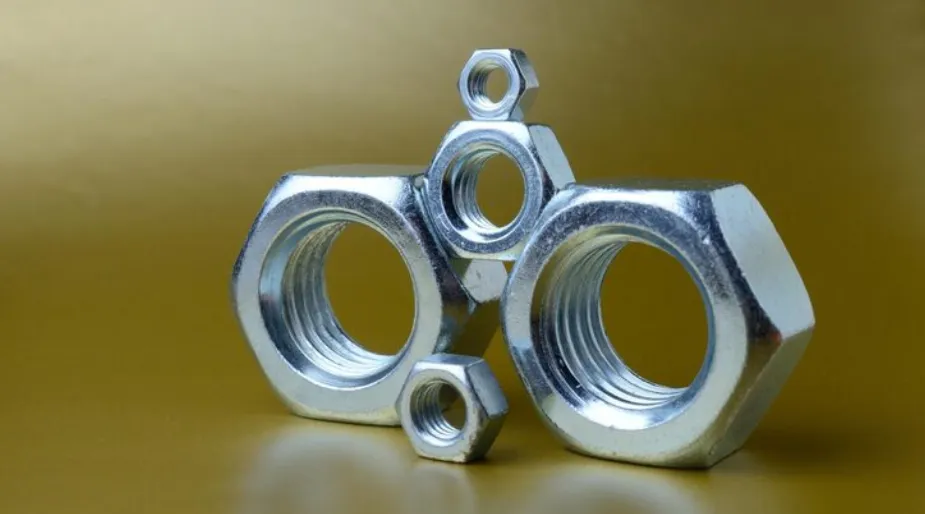
In machinery assembly, safety and stability are very important for smooth and reliable performance. Even a small loose connection can cause serious problems like machine failure, vibration, or accidents. To prevent such issues, engineers use different fastening components, and one of the most important among them is locknuts. These small but powerful parts play a key role in keeping machine parts tightly secured, even under heavy load and constant movement. Understanding how locknuts work helps improve machine safety and long-term performance in many industries.
What Are Locknuts and Their Role in Machinery
Locknuts are specially designed nuts that resist loosening when machines are exposed to vibration or movement. Unlike standard nuts, locknuts are built with added friction or locking features that help them stay in place. When machinery operates, parts naturally experience shaking, pressure, and heat. In such conditions, normal nuts may slowly loosen over time. However, locknuts maintain a firm grip on bolts and threaded parts, ensuring that all components remain securely fastened. This simple yet effective design makes them essential in mechanical systems where reliability is critical.
How Locknuts Improve Safety in Machinery
Safety is one of the biggest concerns in any mechanical system, and locknuts greatly reduce the risk of accidents caused by loose fittings. When a machine part becomes loose, it can lead to sudden breakdowns, flying components, or even complete system failure. Locknuts help prevent these situations by holding joints tightly in place, even during high vibration or heavy load conditions. This ensures that machines operate within safe limits and reduces the chances of unexpected hazards. As a result, workers are better protected, and machinery can run more safely in demanding environments.
Stability and Performance in Assembly Systems
Stable machinery performance depends on how well all parts stay aligned during operation. Locknuts contribute to this stability by preventing unwanted movement between connected components. In high-speed machines, even a small shift can affect accuracy and efficiency. By keeping bolts firmly locked, locknuts help maintain proper alignment and reduce mechanical stress. This also minimizes wear and tear on machine parts, allowing them to function smoothly for longer periods. In turn, businesses benefit from fewer repairs, less downtime, and improved productivity.
Applications of Locknuts in Different Industries
Locknuts are used in a wide range of industries where machines are constantly exposed to stress and movement. In the automotive industry, they help secure engine components and wheel assemblies. In construction machinery, they ensure heavy equipment remains stable during operation. They are also widely used in manufacturing plants, aerospace systems, and electrical equipment. Wherever there is vibration or heavy load, locknuts provide a dependable solution for keeping everything tightly fastened and safe.
Conclusion
Locknuts may seem like small components, but their role in machinery assembly is extremely important. They improve both safety and stability by preventing loosening under pressure, vibration, and movement. This not only protects workers and equipment but also enhances the overall efficiency of machines. By using locknuts in mechanical systems, industries can ensure stronger performance, fewer failures, and longer-lasting reliability.