

Key Takeaways
- Restoring historic synagogues is vital for safeguarding both cultural identity and the safety of congregants.
- Expert restoration services help maintain the authenticity of these religious sites while integrating modern safety standards.
- Balancing tradition with innovation ensures long-term resilience and continued community relevance.
Table of Contents
- Why Is Synagogue Restoration Important?
- What Are the Common Challenges in Synagogue Restoration?
- How Do Professional Restoration Services Ensure Structural Integrity?
- What Role Does Historic Preservation Play in Community Identity?
- How Do Restoration Projects Balance Authenticity and Modern Safety Standards?
- Why Choose Steeplejacks of America for Synagogue Restoration?
- Frequently Asked Questions
Why Is Synagogue Restoration Important?
Historic synagogues are foundational pillars in Jewish communities, serving not only as places of worship but also as monuments of resilience and legacy. Damage from time, weather, and neglect can threaten the existence of these irreplaceable landmarks. Efforts in synagogue restorations are crucial to preserve the stories, art, and culture ingrained in their walls for future generations.
The enduring value of synagogue restoration lies in keeping traditions alive and safeguarding these centers for learning, gathering, and spiritual growth. The Eldridge Street Synagogue in New York provides a poignant example, where decades of craftsmanship and financial investment prevented complete collapse and restored the site’s historical ambiance.
As neighborhoods evolve, restored synagogues anchor communities through change, offering a sense of continuity and pride. They often emerge as focal points for cultural events, interfaith dialogue, and education, reinforcing the importance of protecting religious heritage across generations.
Furthermore, renewal projects not only protect physical structures but also the collective memory and legacy of diverse communities. When restoration is neglected, the loss extends far beyond bricks and mortar, erasing stories and silencing voices of the past.
Restoring historic synagogues reveals complex issues: structural weaknesses due to age, incompatibility of old materials with modern ones, and the demanding search for experts proficient in both traditional and current construction techniques. Projects also face strict preservation regulations, which demand careful documentation and approval for every repair.
In some cases, hazardous materials like lead paint or asbestos must be addressed before restoration can begin. Water infiltration, crumbling masonry, and damaged roof structures are other frequent concerns. Balancing these urgent needs with budget constraints is an ongoing struggle for congregations and community-driven initiatives.
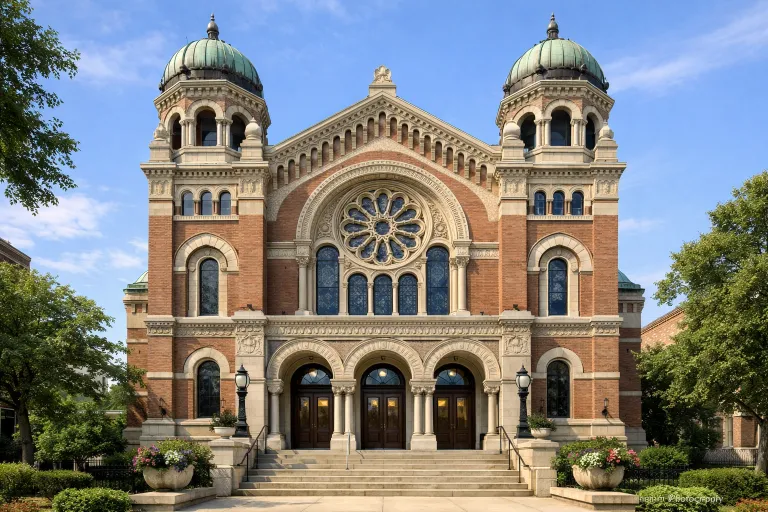
Projects such as the Great Synagogue of Vilna and Jerusalem’s Ḥurva Synagogue required substantial research to determine the best methods for repair, weighing the urgency of safety improvements against keeping as much of the original fabric as possible. For more on the intricate process of protecting and restoring Jewish religious sites worldwide, see this article from Smithsonian Magazine.
How Do Professional Restoration Services Ensure Structural Integrity?
Professional restoration teams employ a blend of old-world craftsmanship and modern engineering to ensure the long-term stability and usability of aging synagogues. Detailed assessments are conducted using advanced diagnostic tools to uncover weaknesses, followed by the development of tailored strategies to stabilize foundations, reinforce roofs, and protect against future deterioration.
One notable project involved a 100-year-old unreinforced masonry synagogue in San Francisco. Restoration specialists integrated steel supports and seismic reinforcements while keeping outward appearances intact. Restoration teams often work closely with engineers to meet seismic codes, especially in regions prone to earthquakes, demonstrating the intricate relationship between historical preservation and cutting-edge technology.
What Role Does Historic Preservation Play in Community Identity?
Restoring a historic synagogue significantly strengthens communal ties and reinforces a shared sense of belonging. These buildings serve as living testimonials to the journeys, challenges, and triumphs of past generations. Community stories become tied to the spaces where they gather in celebration, remembrance, and faith.
A recent example is the Tree of Life Synagogue in Pittsburgh. Following tragedy, restoration efforts became a symbol of resilience and healing. Such projects send a vital message that a community’s heritage is cherished and safeguarded, powering hope and determination for both present and future members. Restored synagogues often host educational tours, helping to teach broader audiences about Jewish history and values.
How Do Restoration Projects Balance Authenticity and Modern Safety Standards?
Preserving a synagogue’s authenticity while ensuring the safety of its users requires detailed planning and expert decision-making. Restoration specialists strive to save and reuse as much original material as possible, from decorative frescoes to intricate woodwork. Modern safety features, like fire suppression systems or ADA-compliant entrances, are integrated discreetly to maintain historic character while promoting accessibility and security.
At the Eldridge Street Synagogue, teams painstakingly conserved stained glass, ornamental plasterwork, and historic pews, while also upgrading HVAC, lighting, and egress routes to meet today’s safety requirements. This holistic approach ensures landmark status is maintained alongside legal compliance, allowing the structure to serve as a living, breathing center of worship and community.
Why Choose Steeplejacks of America for Synagogue Restoration?
Steeplejacks of America stands out for its expertise in historic religious restoration, blending traditional artistry with contemporary safety solutions. Their team understands the spiritual and cultural gravity of synagogue work, committing to a transparent, respectful process that honors each building’s legacy. Services cover everything from masonry and stained-glass repair to structural reinforcement, using proven techniques and high-quality materials that extend a building’s lifespan and usability.
Frequently Asked Questions
What is the typical duration of a synagogue restoration project?
Restoration timelines differ based on complexity. Extensive projects, such as the Eldridge Street Synagogue, required up to two decades, while others may last several months to a few years, depending on assessment findings and funding levels.
How do restoration services ensure compliance with modern safety codes?
Specialists employ structural evaluations, seismic retrofitting, and innovative materials to meet current building and safety codes, harmonizing them with preservation mandates.
Can modern materials be used in historic restorations?
Modern materials are often incorporated when they replace unsafe or failing elements and do not compromise the site’s historic appearance or durability.
How does synagogue restoration impact the local community?
Restored synagogues foster pride and belonging, become cultural hubs for activities and tourism, and educate current and future generations about a community’s historical journey.
What factors influence the cost of synagogue restoration?
Scope of deterioration, structural needs, expertise required, historically accurate materials, and compliance with preservation guidelines all influence overall restoration budgets.