
Key Takeaways
-
Modern life presents unique mental health challenges requiring adaptive counseling approaches.
-
Integrating technology into counseling can enhance accessibility and effectiveness.
-
Self-care is crucial for both clients and counselors to maintain mental well-being.
Table of Contents
-
Understanding Modern Mental Health Challenges
-
Integrating Technology in Counseling
-
Emphasizing Self-Care for Clients and Counselors
-
Adopting Holistic Approaches
-
Addressing Ethical Dilemmas
-
Conclusion
In today’s fast-paced world, individuals are increasingly exposed to unique mental health challenges that can strain their sense of well-being. Navigating issues arising from extended work hours, digital communication, and rapid societal changes often requires professional counseling support. For those seeking guidance about relationship dynamics and personal growth, services like couples therapy Libertyville IL can provide solutions tailored to modern needs. Integrating contemporary counseling strategies is crucial for effectively addressing the specific stressors of contemporary life. Modern counseling does not operate in isolation. It must adapt to evolving circumstances, such as the rise of virtual communication, changing family structures, and shifting work environments. The focus on accessibility and empathy remains, but the tools and approaches continue to evolve to keep pace with the complexities individuals now face. Counselors must therefore integrate new strategies and resources to offer guidance that is both relevant and sustainable.
Understanding Modern Mental Health Challenges
Rapid technological advancements and significant shifts in daily expectations shape modern society. Social media plays a significant role in how people connect and communicate, even as it can sometimes exacerbate feelings of loneliness and disconnection. Constant notifications and a stream of information from multiple sources can quickly overwhelm an individual’s mental resources, leading to symptoms of anxiety and depression. When work intrudes on personal time, delineating professional from private life becomes difficult, which can erode overall well-being. These changing dynamics mean that individuals across all age groups face unique stressors. Children and adolescents navigate cyberbullying and the pressure of perfectionism online, while adults are frequently challenged by balancing virtual connectivity with meaningful in-person relationships. This landscape calls for adaptive counseling strategies that account for the multi-layered pressures people face daily. For further insights into the impact of modern stressors on mental health, see this resource from the American Psychological Association.
Integrating Technology in Counseling
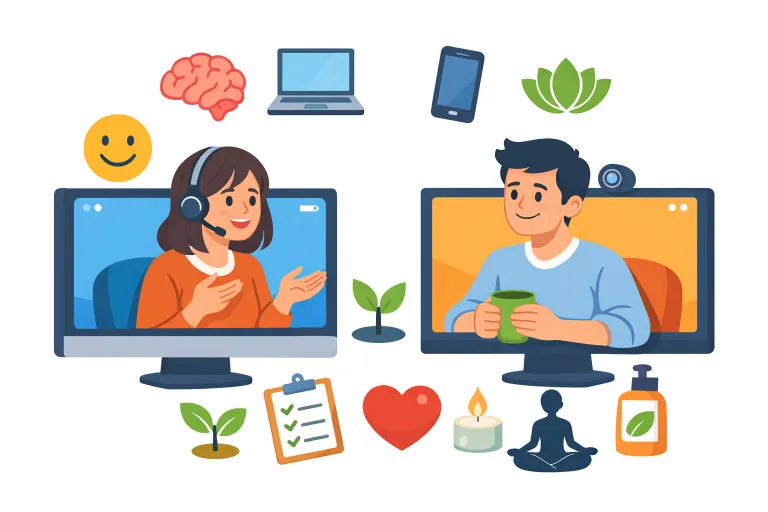
Technological tools have become essential for counselors and their clients. Virtual counseling sessions allow individuals to access support regardless of their physical location, thereby minimizing barriers like transportation or scheduling conflicts. Teletherapy platforms offer effective, discreet sessions that can be especially valuable for clients who feel anxious about visiting a traditional office or who live in remote areas. Moreover, digital platforms permit counselors to offer regular mental health check-ins, deliver guided exercises, and provide educational resources between sessions. While technology increases accessibility, it also introduces unique concerns. Counselors must remain vigilant in safeguarding client data and ensuring secure communication. This dual responsibility of ethical diligence and technological competency is now a core expectation in effective mental health practice.
Emphasizing Self-Care for Clients and Counselors
Self-care is no longer a luxury but a necessity for mental health maintenance. Counselors are in a unique position to teach clients about the importance of daily wellness practices. Activities such as mindful breathing, regular exercise, healthy eating, and limiting screen time can build resilience against stress and emotional burnout. Encouraging clients to develop healthy boundaries and routines ensures they have resources to draw from when facing life’s inevitable challenges. Equally significant is the practice of self-care counselors. The field of mental health work is inherently demanding, as practitioners are often exposed to high levels of emotional intensity. Effective counselors acknowledge the importance of their own mental well-being by seeking supervision, practicing regular debriefing, and maintaining a supportive network of colleagues. Prioritizing personal well-being allows counselors to model healthy strategies and deliver higher-quality care to their clients.
Adopting Holistic Approaches
Holistic counseling is defined by an emphasis on treating the person as a whole, mind, body, and environment. Approaches such as mindfulness-based therapy, acceptance and commitment therapy, and cognitive-behavioral therapy (CBT) recognize the interconnectedness of thoughts, behaviors, and emotional states. By exploring physical health, stress levels, family systems, and community influences, counselors can help clients understand the broader picture of their well-being. Utilizing holistic strategies allows for comprehensive treatment plans that address a client’s unique needs. This might include fostering spiritual growth, encouraging community involvement, or supporting environmental changes in the client’s life. Tailoring interventions in this way can help individuals build lasting resilience and cultivate a sense of fulfillment that extends beyond symptom relief.
Addressing Ethical Dilemmas
Modern counseling is not without its ethical challenges, especially as technology becomes increasingly intertwined with professional practice. Counselors frequently confront dilemmas involving client privacy, data protection, and managing multiple relationships within digital and real-world settings. Strict adherence to professional codes of ethics and regular participation in continuing education are critical for avoiding breaches and ensuring client protection. Collaborating with professional organizations and staying up to date on evolving legal requirements further ensures that counselors can effectively navigate gray areas in practice. Prudent record-keeping, transparent communication, and proactive risk management maintain trust and uphold the integrity of counseling relationships.
Conclusion
The field of counseling is rapidly evolving in response to complex societal shifts and technological innovations. Effective counselors must leverage adaptive strategies that address the realities of today’s world. This involves integrating technology into practice, emphasizing ongoing self-care, adopting holistic approaches, and maintaining high ethical standards. By focusing on these priorities, counselors are better equipped to guide individuals toward psychological health, resilience, and empowerment amid the many challenges of modern life.