

Key Takeaways
- Regular maintenance directly boosts performance and extends the lifespan of your ski and snowboard equipment.
- Essential tasks include thorough cleaning, proper waxing, sharpening of edges, and mindful storage.
- Neglecting these steps can lead to diminished safety, control, and enjoyment on the slopes.
Maintaining your ski and snowboard equipment is crucial for ensuring top performance, longevity, and safety on the slopes. Regular upkeep doesn’t just improve your riding experience; it protects your investment and keeps your gear in ready-to-go condition winter after winter. Whether you’re a weekend warrior or a seasoned enthusiast, making maintenance a habit will reward you with smoother runs, more precise control, and less hassle overall. For those looking for a convenient solution for between-trips touch-ups, rub-on ski wax offers a quick way to refresh your base and maximize glide without much effort.
Simple routines performed after each outing and at critical points through the season can dramatically extend the life of your skis or snowboard. This article outlines the essential tasks, cleaning, waxing, edge tuning, and off-season storage, that every rider should master. Consistent attention to these fundamentals not only enhances on-snow performance but is also key to avoiding avoidable repairs down the road.
By keeping your gear well-maintained, you’ll notice smoother turns, better grip in changing snow conditions, and peace of mind on every descent. Encountering a rough patch or unpredictable ice is much more manageable when your equipment is at its best. Investing a little extra time means you are always ready to make the most of your days on the mountain.
In addition, it’s worth reading up on current ski and snowboard maintenance recommendations from resources like REI’s ski tuning guide to stay updated on best practices and new products.
Cleaning Your Equipment
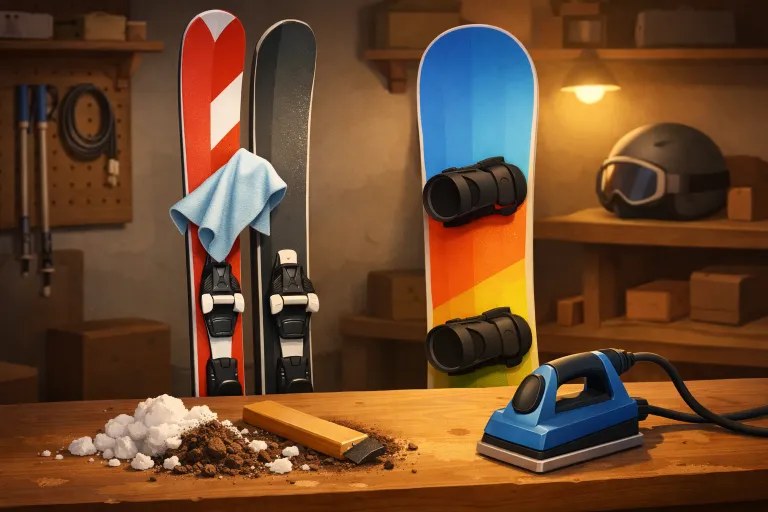
Clean your skis or snowboard immediately after every outing to remove moisture, salt, and dirt that can degrade the finish over time. Wipe down both the base and topsheet with a damp cloth, making sure to clean away any snow, dirt, or grit. For a deeper clean after several uses, apply a biodegradable base cleaner. Allow it to soak for 10 to 15 minutes before removing it with a fresh cloth. This method is especially important if you ride in variable conditions or spring snow, as leftover grime can impact how well your next wax job bonds to the base.
Waxing for Optimal Glide
Wax is key for both the performance and protection of your gear. It minimizes friction with the snow, providing glide and making every turn easier. Waxing frequency depends on how much you ride, but as a general rule:
- Frequent riders: Wax every 3 to 5 days on the slopes.
- Casual riders: Wax every 5 to 10 days, or whenever the base looks chalky or feels dry.
Follow these steps for effective waxing:
- Start by cleaning the base to remove old wax and debris.
- Evenly melt wax along the base with a waxing iron, using smooth strokes.
- Let the wax cool fully—at least 30 minutes.
- Remove excess wax using a plastic scraper, working from tip to tail.
- Finish by buffing the base with a nylon or horsehair brush for a polished glide.
Regular waxing not only enhances your ride but also keeps the base hydrated, reducing your risk of permanent damage from overuse or neglect.
Edge Maintenance for Better Control
Sharp edges are vital for maintaining control, especially when the snow is hard-packed or icy. Check your edges often for signs of wear, rust spots, or burrs. Address minor blemishes with a diamond stone, making light, consistent passes to restore sharpness without removing too much material. If your gear develops more significant nicks or feels challenging to tune, leave it to a professional shop technician who can restore a precise edge safely.
Frequent edge checks ensure safety and a consistently responsive ride throughout the season. Skiers and snowboarders who travel to different resorts or variable climates should pay even closer attention to edge condition, as transitions between snow types can dull edges quickly. For more details on edge care, check out REI’s snowboard tuning guide.
Off-Season Storage Tips
How you store your equipment between seasons matters just as much as what you do during winter. Begin by thoroughly cleaning all surfaces, then apply a generous layer of hot wax to the base—do not scrape it off. This wax barrier prevents the base and edges from drying out or succumbing to rust while in storage. Always loosen your bindings to release pressure on the springs and plastics, and find a cool, dry location away from direct sunlight or humidity for storage.
- Clean all surfaces of dirt, old wax, and debris.
- Apply and leave a protective wax layer to shield against moisture.
- Loosen bindings to prevent stress and warping.
- Store gear upright in a ventilated, dark, and dry spot.
These steps preserve your equipment’s shape, structure, and finish, ensuring you are ready for the first snow next season without hassle.
Regular Inspections and Professional Tune-Ups
Take time each month during the season to inspect your ski or snowboard base and edges for any serious damage. Look for core shots, deep scratches, or any sign of delamination. Addressing small issues immediately prevents them from becoming major, expensive repairs. For any significant repairs or for resettings requiring special tools, always seek a qualified technician. Scheduling a complete professional tune at least once per season is highly recommended for peak performance and safety.
Conclusion
Developing a regular maintenance routine for your ski and snowboard equipment guarantees smoother performance, more control, and greater safety on the slopes. Focus on thorough cleaning, waxing, edge care, and thoughtful storage to maximize the enjoyment and lifespan of your winter gear. Establishing these habits ensures your investment in quality equipment pays off season after season, giving you the best possible experience every time you head to the mountain.