

Table of Contents
-
Understanding Noninvasive Fat Reduction
-
Common Myths and Misconceptions
-
Popular Noninvasive Fat Reduction Techniques
-
Effectiveness and Safety Considerations
-
Choosing the Right Method for You
-
Conclusion
In the search for a more sculpted figure, noninvasive fat reduction has captured widespread attention. With technology constantly evolving, solutions promise impressive results without surgery. However, navigating the information can be overwhelming, and understanding which claims are valid is critical. For those interested in regional expertise, learn more about noninvasive body contouring treatment Virginia Beach options available for a confidential consultation.
Noninvasive fat reduction covers a range of methods designed to help individuals achieve their body goals safely and with minimal downtime. By separating legitimate facts from persistent myths, people can make empowered decisions about their body contouring journey.
Understanding Noninvasive Fat Reduction
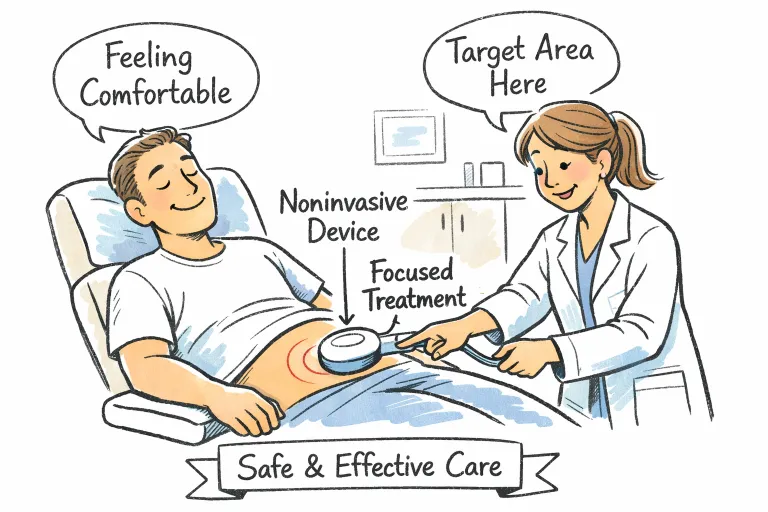
Noninvasive fat reduction encompasses a collection of medical procedures that target and eliminate unwanted fat cells without traditional surgical methods or incisions. The main goal is body contouring, which is distinct from weight loss procedures. Commonly used techniques such as cryolipolysis, laser lipolysis, and focused ultrasound work by disrupting fat cells, prompting the body to naturally metabolize and remove them in the weeks following treatment. These solutions can effectively reduce fat pockets that do not respond to diet or exercise, such as those around the abdomen, flanks, thighs, and chin.
Unlike liposuction, which delivers instant but more invasive results, noninvasive procedures feature shorter recovery times and a lower risk of complications. Most patients can resume normal activities almost immediately, making these options appealing for people seeking minimal disruption to their daily lives.
Common Myths and Misconceptions
The popularity of noninvasive fat reduction means there are also many misconceptions:
-
Myth: Noninvasive procedures are designed for major weight loss.
-
Fact: These methods are best for removing localized stubborn fat and refining body shape. They are unsuitable for comprehensive weight reduction and are meant for those already at or near their ideal weight.
-
Myth: You will see results immediately after your treatment session.
-
Fact: Full results develop gradually, usually becoming visible several weeks to months after treatment as the body processes the destroyed fat cells. This timeline depends on individual metabolism and the type of procedure selected.
-
Myth: Noninvasive methods are always pain-free.
-
Fact: Procedures are generally well-tolerated, but temporary side effects can include minor bruising, swelling, tingling, or numbness. Severe complications are rare, especially when performed by qualified professionals.
Popular Noninvasive Fat Reduction Techniques
Several innovative technologies now serve those seeking noninvasive fat reduction. The most widespread include:
-
Cryolipolysis (CoolSculpting): By cooling fat cells to a low temperature, this method triggers natural cell death without damaging surrounding tissues. It is effective for treating love handles, abdomen, back, and thighs, with results typically developing after one or two treatment sessions.
-
Laser Lipolysis (SculpSure): This technique harnesses precise laser energy to heat and break down fat cells. Sessions are completed within 25 minutes, and most people return to daily life right away.
-
Ultrasound Fat Reduction (UltraShape): By using focused ultrasound waves, this approach targets only fat cells, sparing nerves, blood vessels, and connective tissue. Results typically develop over several weeks, with optimal outcomes seen after a series of treatments.
All of these methods have been evaluated and approved for safety by regulatory agencies like the FDA, supporting their effectiveness for suitable candidates. According to the American Society of Plastic Surgeons, proper technique and patient selection are key to optimal results.
Effectiveness and Safety Considerations
The success of noninvasive fat reduction depends on various individual factors, including body type, treatment area, and the patient’s willingness to maintain healthy lifestyle habits. While most candidates see a visible reduction in fat bulges after a few treatment cycles, expectations must remain realistic. Noninvasive methods cannot replace proper nutrition or physical activity, but they can be effective tools in achieving personalized goals.
In terms of safety, noninvasive procedures are among the safest available for cosmetic body contouring. The most common side effects, such as swelling, redness, numbness, and mild soreness, subside rapidly and rarely hinder normal activities. Nonetheless, a few patients may experience more serious reactions, such as paradoxical adipose hyperplasia after cryolipolysis, which is why selecting a certified and experienced provider is so important.
Choosing the Right Method for You
Choosing the ideal noninvasive fat reduction technique means factoring in personal health, specific problem areas, and unique cosmetic goals. Different approaches excel in certain situations; for example, cryolipolysis is best for moderate, pinchable fat deposits, while laser lipolysis may target smaller areas or those with tighter time constraints.
A thorough consultation with a licensed practitioner helps determine candidacy and set realistic expectations. It is crucial to discuss medical history, lifestyle habits, and priorities so that the best plan is created for each individual. Always verify the credentials of any provider under consideration, and do not hesitate to ask questions about device safety, treatment plans, and possible side effects.
Conclusion
Noninvasive fat reduction blends technological advances with convenience, offering people a safe way to contour their bodies with minimal recovery time. By understanding the realities behind available techniques and working with qualified professionals, individuals can confidently seek results tailored to their needs. Fact-based decisions lead to the safest and most satisfying outcomes, positioning noninvasive body contouring as an effective ally in the modern aesthetic journey.